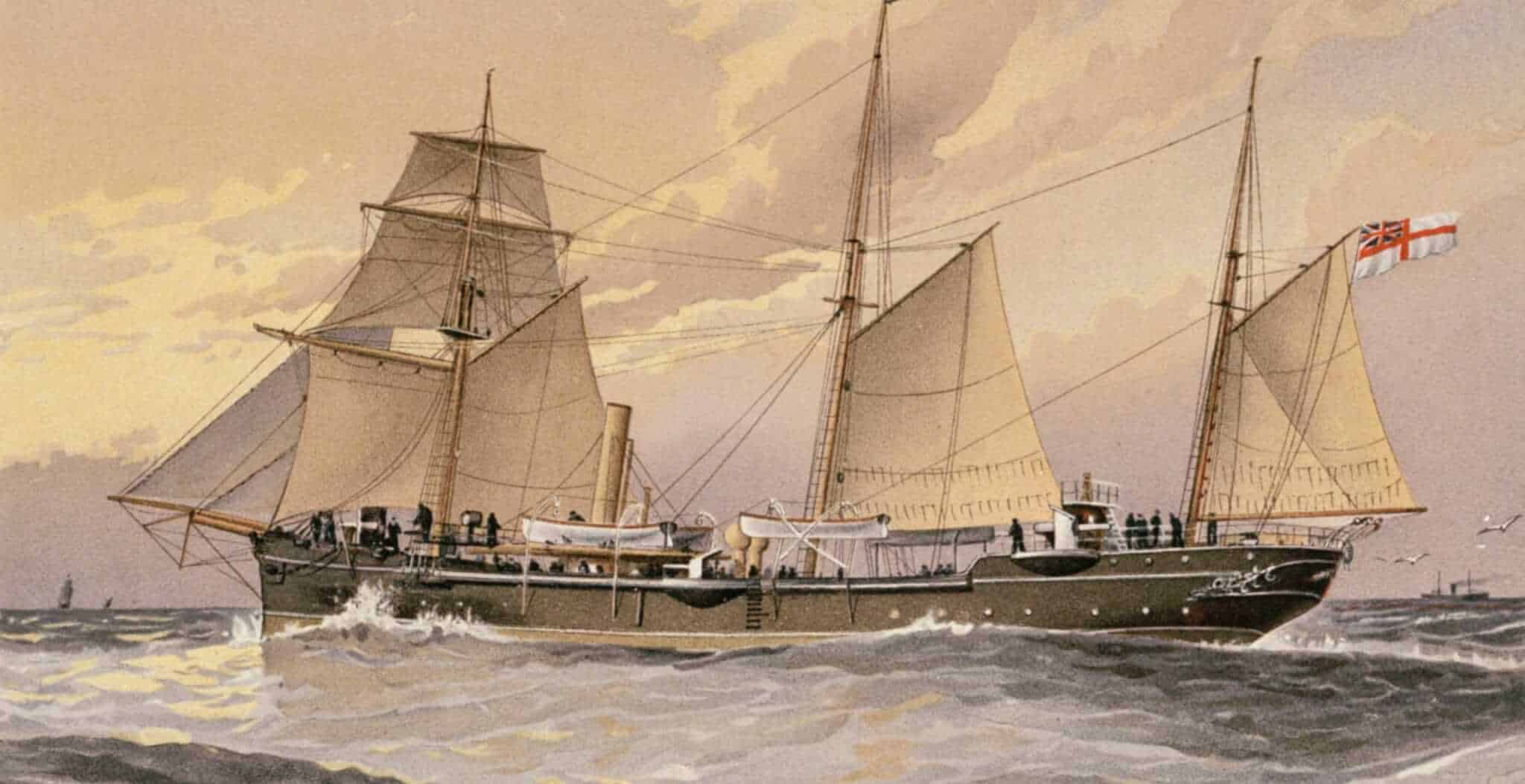
War has shaped the course of human civilization for centuries, and most conflicts are remembered for their prolonged suffering and years of battle. However, the shortest war in history stands in stark contrast—lasting only about 38 minutes. Known as the Anglo-Zanzibar War, this brief but intense conflict took place on 27 August 1896 between the British Empire and the Sultanate of Zanzibar.
Background: Rising Tensions in the Indian Ocean
Zanzibar, an island nation off the coast of East Africa, had long been influenced by European powers due to its strategic location and valuable spice trade. In the late 19th century, the British were expanding their control in the region, pushing their anti-slavery agenda and strengthening their presence in East Africa.
In 1890, Zanzibar officially became a British protectorate. A treaty was signed stating that any new Sultan would require approval from the British authorities. This gave Britain significant power over political shifts in the Sultanate.
Trigger: A Sultan Takes the Throne Without Permission
The war was sparked by an unexpected succession crisis. On 25 August 1896, the pro-British Sultan Hamad bin Thuwaini died suddenly. Many believed foul play was involved, although this was never proven.
His successor, Sultan Khalid bin Barghash, took control of the palace without British consent—directly violating the agreement. The British demanded that Khalid step down and leave the palace. Khalid refused, instead assembling a defense force of around 2,800 soldiers, artillery, and a royal yacht equipped with guns.
British diplomats delivered an ultimatum: Surrender by 9:00 AM on 27 August 1896, or face military action.
The 38 Minutes of Combat
When the deadline passed without any response from the Sultan, British naval ships positioned in the harbor opened fire. They targeted the royal palace and Khalid’s defenses using heavily armed warships, including HMS St George, HMS Sparrow, and HMS Racoon.
Within minutes:
- The palace began to burn
- Khalid’s artillery was destroyed
- His troops suffered heavy losses
- The Sultan’s royal yacht HHS Glasgow sank to the bottom of the harbor
Unable to withstand the bombardment, Khalid fled through a back exit to the German consulate, seeking asylum.
By 9:38 AM, the war was effectively over.
Casualties and Aftermath
The conflict was short but deadly:
- Around 500 Zanzibari defenders were killed or wounded
- The British suffered only one injured sailor
After the war:
- Sultan Hamoud bin Mohammed, approved by Britain, was installed as ruler
- Zanzibar remained under British influence until independence in 1963
- Khalid eventually surrendered years later and lived in exile
A Conflict That Made History
The Anglo-Zanzibar War is a unique event—a reminder of how rapidly power can shift and how political tensions can escalate in the blink of an eye. Though it lasted just 38 minutes, it left a lasting mark on global history, symbolizing the height of European imperial power in Africa and the swift consequences of defying colonial authority.
Today, it remains a fascinating historical curiosity:
The shortest war ever recorded.



Leave a Reply