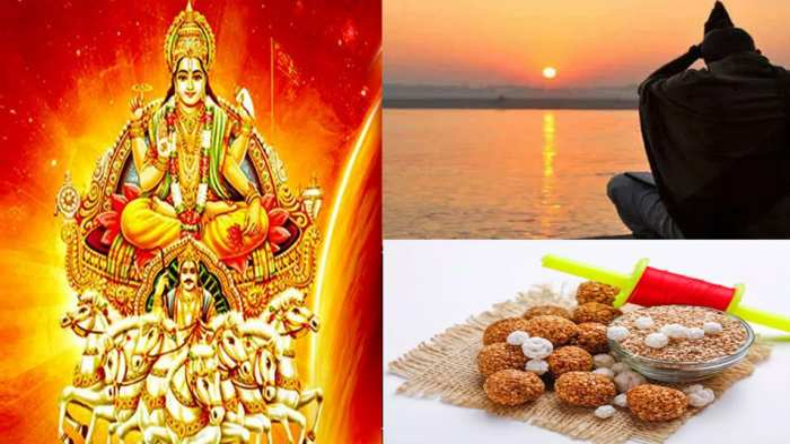
The most appropriate definition of Makar Sankranti is one festival with many names. People across India celebrate this joyous event in various names and ways. In Assam, they celebrate Bhogali Bihu, Bengal celebrates Poush Parbon, Punjab makes Lohri, and South India observes Pongal.
However, the common name, Makar Sankranti, signifies the Zodiac travel of the Sun God to the Makar or Capricorn on this particular day. Besides, this auspicious day also symbolizes the beginning of Uttarayan. It means that, on this day, the Sun moves towards the northern hemisphere. These celestial conditions make the day especially auspicious for the Hindu devotees. They observe the heavenly significance of the day with holy baths, prayer, worship, and charity work.
Apart from the religious significance, the Makar Sankranti festival has a deep connection with culture, tradition, and prosperity. The festival falls in the winter month when it is time for harvesting across India. So, traditional rituals welcoming new corps are also a part of the festival. Various communities in India make the day more enjoyable with their traditional culinary and cultural activities. Let’s delve into the culture, tradition, fun, and religious significance of Makar Sankranti.
The Religious Significance of Makar Sankranti:
According to Hindu mythology, on the auspicious day of Makar Sankranti, Lord Vishnu killed the demon Sankarasura, ending his dark regime. It symbolizes the victory of good over evil.
Makar Sankranti is also associated with the birth of ‘Narasinha’. This deity is considered the epitome of righteousness and is an avatar of Lord Vishnu, one of the principal deities in Hinduism.
As per Puran, On the day of Makar Sankranti, Lord Surya visits his son Shani Dev, though they don’t hold a cordial relationship. It symbolizes forgiveness, joy, and prosperity.
On this day, the Sun transits to the Makar, the last zodiac sign, and starts the northward movement. It is called Uttarayan in Hinduism and is believed to be a sacred time.
Makar Sankranti Rituals & Ceremony:
Sacred Bath
Devotees take a bath in sacred rivers like the Ganga, Yamuna, and Godavari at the dawn of Makar Sankranti to wash off all blemishes of life.
Worship of the Sun God
Worship of the Sun God is the most sacred practice of Makar Sankranti. Devotees believe that on this day, the Sun God blesses people with success, prosperity, and good health. They offer water, sesame seeds, red flowers & fruits, and rice corp to God.
Charity Work
Feeding the poor is a common charity work people do during Makar Sankranti. People believe that good work on this day brings good fortune.
Jaggery & Sesame Treat
Makar Sankranti is observed during the peak winter, and Sesame and Jaggery keep your body naturally warm. Besides, til is connected to Lord Sun, so people take it as a fortunate treat on this day.
Kite Flying –
Kite symbolizes freedom, and in some places like Gujrat, kite flying takes center stage in Makar Sankranti.
Born Fire & Traditional Food
People celebrate on the eve of Makar Sankranti with a bonfire, traditional food, and cultural performance.
Ganga Sagar Mela in Bengal
The Ganga Sagar Mela is held in Bengal, where morning prayer of the Sun god and holy dips are customary.
Magh Mela in Prayag Raj
The “Magh Mela” commences in Allahabad, and attending the festival during Makar Sankranti is considered auspicious.
Makar Sankranti Celebration In Different Parts In India:
The Makar Sankranti festival is a cultural blend of religion and tradition. People in different regions of India observe the festival in their own traditional way.
Bhogali Bihu in Assam
Bhogali Bihu, also called Magh Bihu, is the biggest festival in Assam. It is also a harvesting festival that people observe through vibrant Bihu dance and traditional Assamese food such as Pitha, Laru, Sandoh, and mah-korai. Rice, jaggery, coconut, and till are the prime ingredients of traditional Assamese Pitha.
Poush Sankranti & Mera Meri in Barak Valley

This region comes under southern Assam, but the inhabitants of the place have their origin in the Sylhet district of East Bengal. So, their culture and language are different from the rest of Assam. However, the people of Barak Valley observe the Makar Sankranti with extreme enthusiasm. Apart from the customary Puja, morning bath, and Nagar Kirtan(devotional folk song group that visits every house), supreme culinary art takes center stage in the festival.
A range of traditional Pithe Puli of Poush Sankranti include Patisapta, Khir Puli, Bhapa Pitha, Alu Pitha, Chandrapuli, Moogpuli, and Chunga Pitha. The main ingredients used are rice flour, wheat flour, semolina, coconut, jaggery, and milk.
Besides, the Poush Sankranti eve is special for Mera Meri. People make a small temporary hut of dry paddy grass and then cook and enjoy mutton and fish fry inside the hut while playing traditional songs. The next morning, the paddy hut is burnt to get the warmth after the morning bath.
Poush Parbon in Bengal

In Bengal, people observe the Makar Sankranti festival by performing spiritual rituals like morning baths, worship of the Sun God, and visiting the Ganga Sagar Mela. Here again, the preparation of traditional Pithe Puli is the prime attraction of the festival.
Lohri in Punjab
Lohri marks the end of winter and is traditionally celebrated to mark the harvest season. Punjabis harvest sugar cane or ganna, peanuts, radish, and mustard. This folk festival is quite popular in Punjab, where people enjoy Rewris, jaggery, sesame-based dishes, popcorn, and peanuts.
Pongal in Tamil Nadu
People of Tamil Nadu observe the day with family and friends, wearing new clothes and preparing traditional Pongal dishes in an earthen pot. The pot is typically decorated by tying a turmeric plant or flower garland and placed in the Sun, along with sugarcane stalks.

Leave a Reply